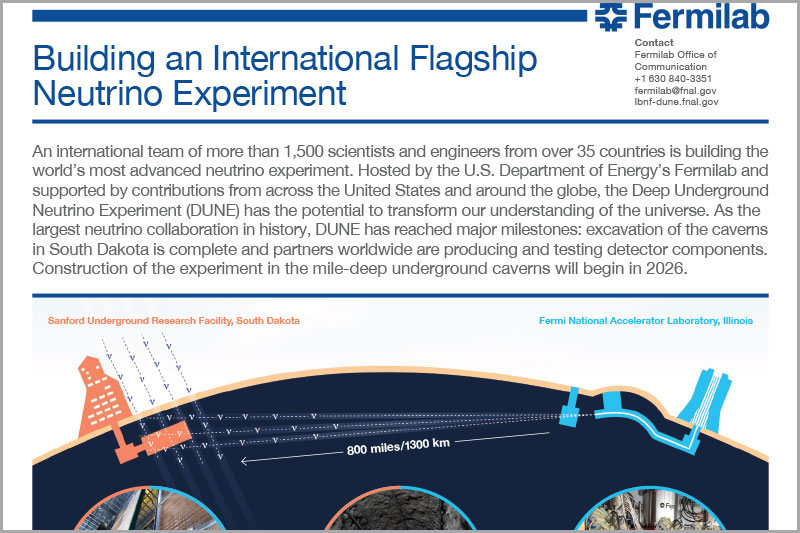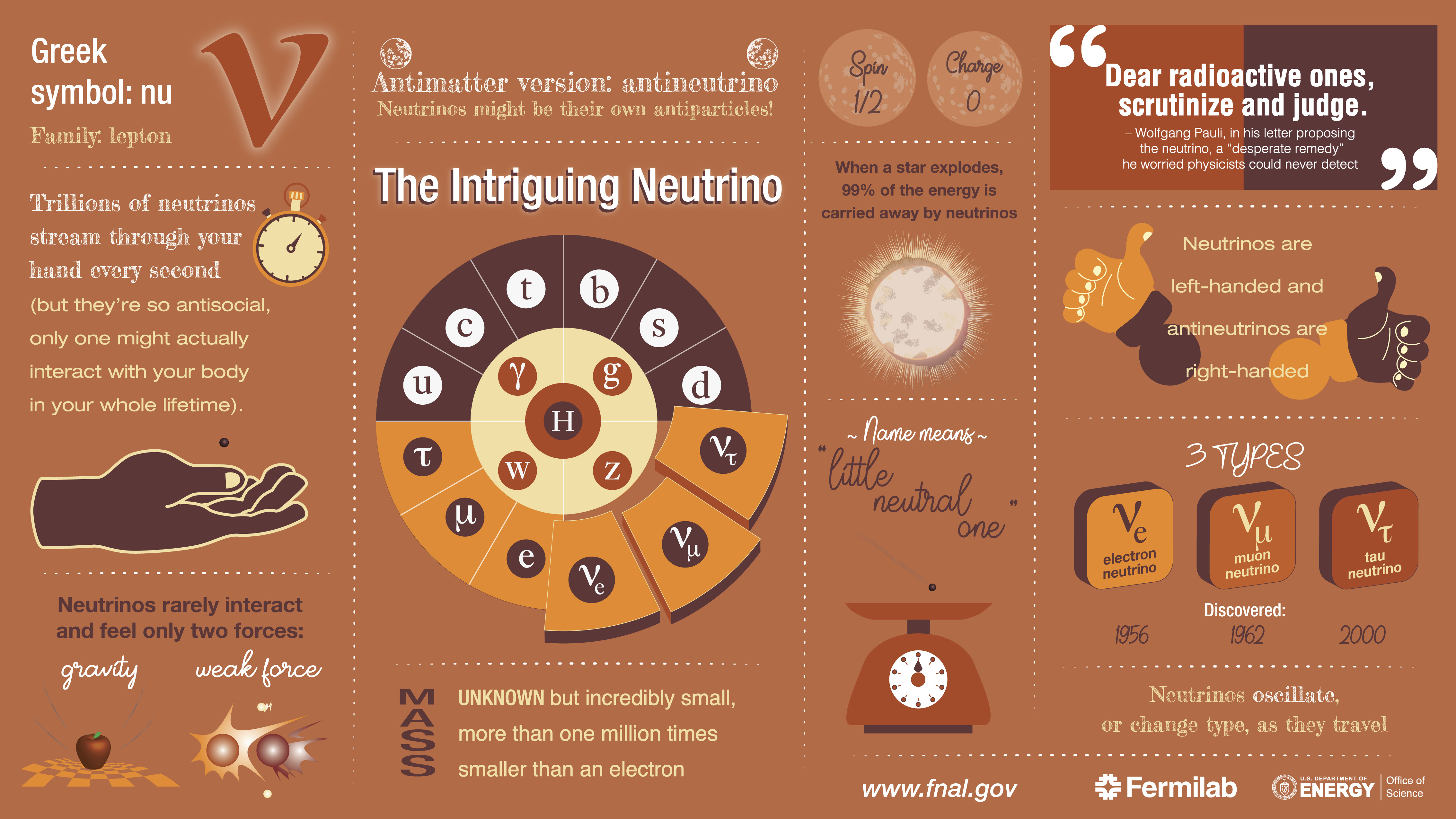
Seven decades ago, researchers proved the “impossible” was possible.
First predicted in 1930, neutrinos were thought to be completely undetectable. Despite being the second most abundant particle in the universe, trillions pass through you every second without a trace. But in 1956, scientists did the impossible: they caught the ghost particle.
As we celebrate this anniversay, we reflect on seven decades of chasing the universe’s most elusive particles. From those first historic experiments to the massive detectors we build today, the journey of discovery is only just beginning.
Explore this page dedicated in highlighting the legacy of discovery, cutting-edge science and the future of neutrino research.
Follow Fermilab on social media and engage with the #Neutrino70 campaign to discover stories, milestones and breakthroughs from seven decades of neutrino research.
Featured content
DUNE uses AI to transform the future of neutrino research

DUNE is pioneering the future of neutrino research by integrating artificial intelligence into its experiment, drawing on decades of machine learning work at Fermilab.
New DUNE technology put to the ultimate stress test
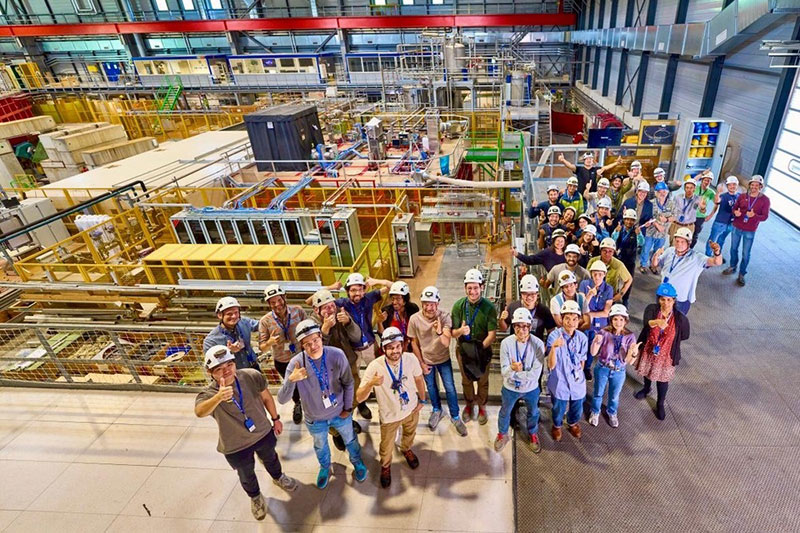
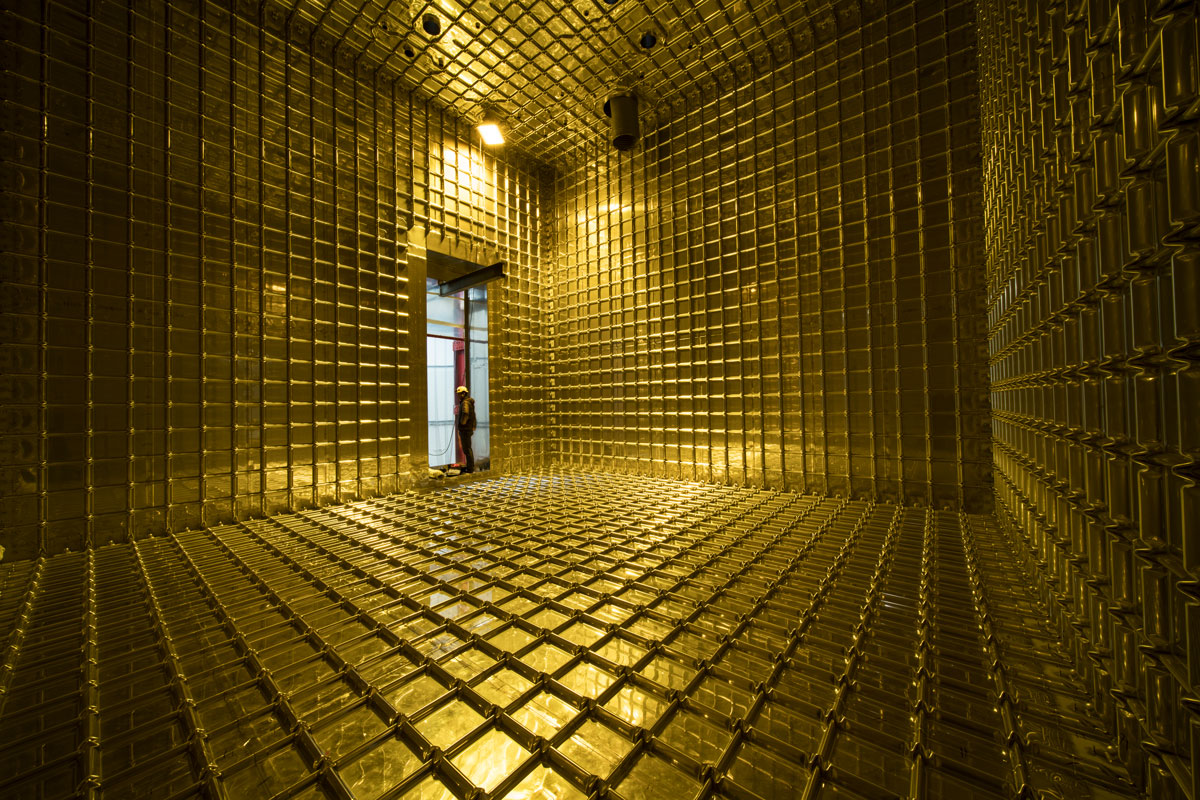
A prototype for the world’s largest neutrino experiment is being tested in harsh conditions to evaluate how the technology holds up under extreme stress.
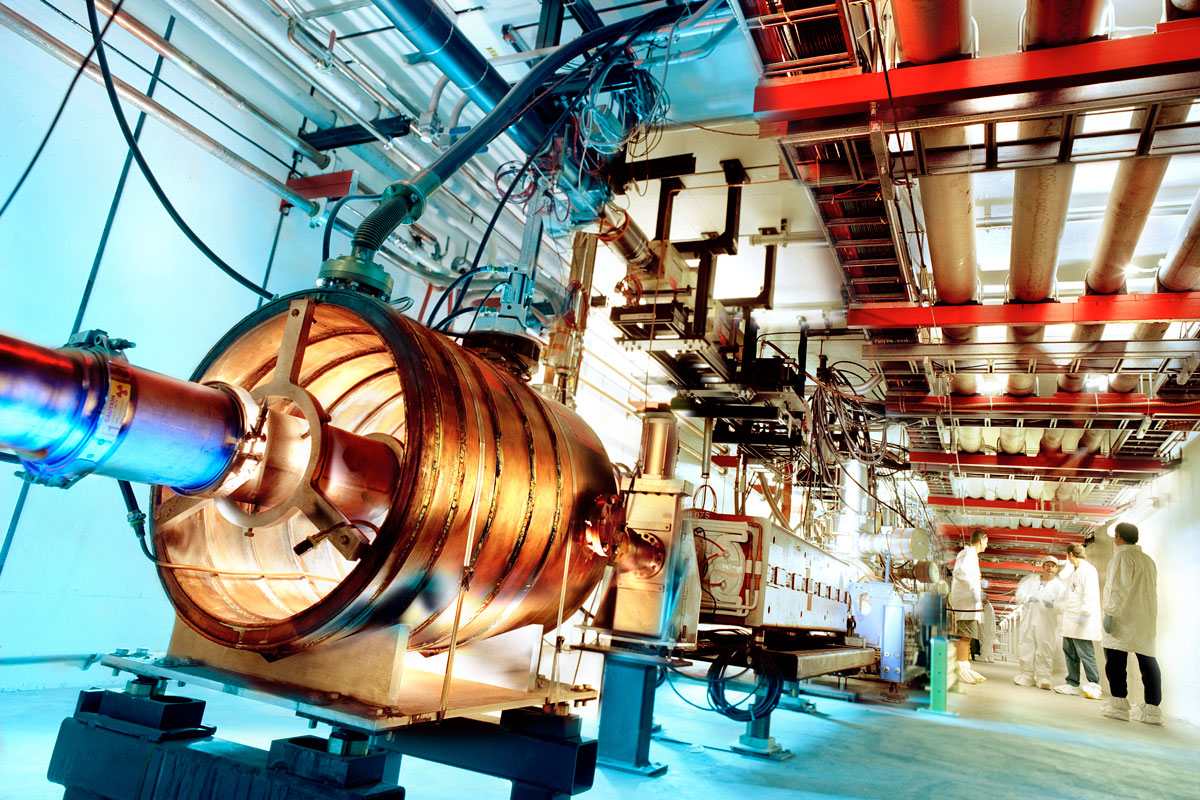
Fermilab installs first beamline component for new state-of-the-art accelerator
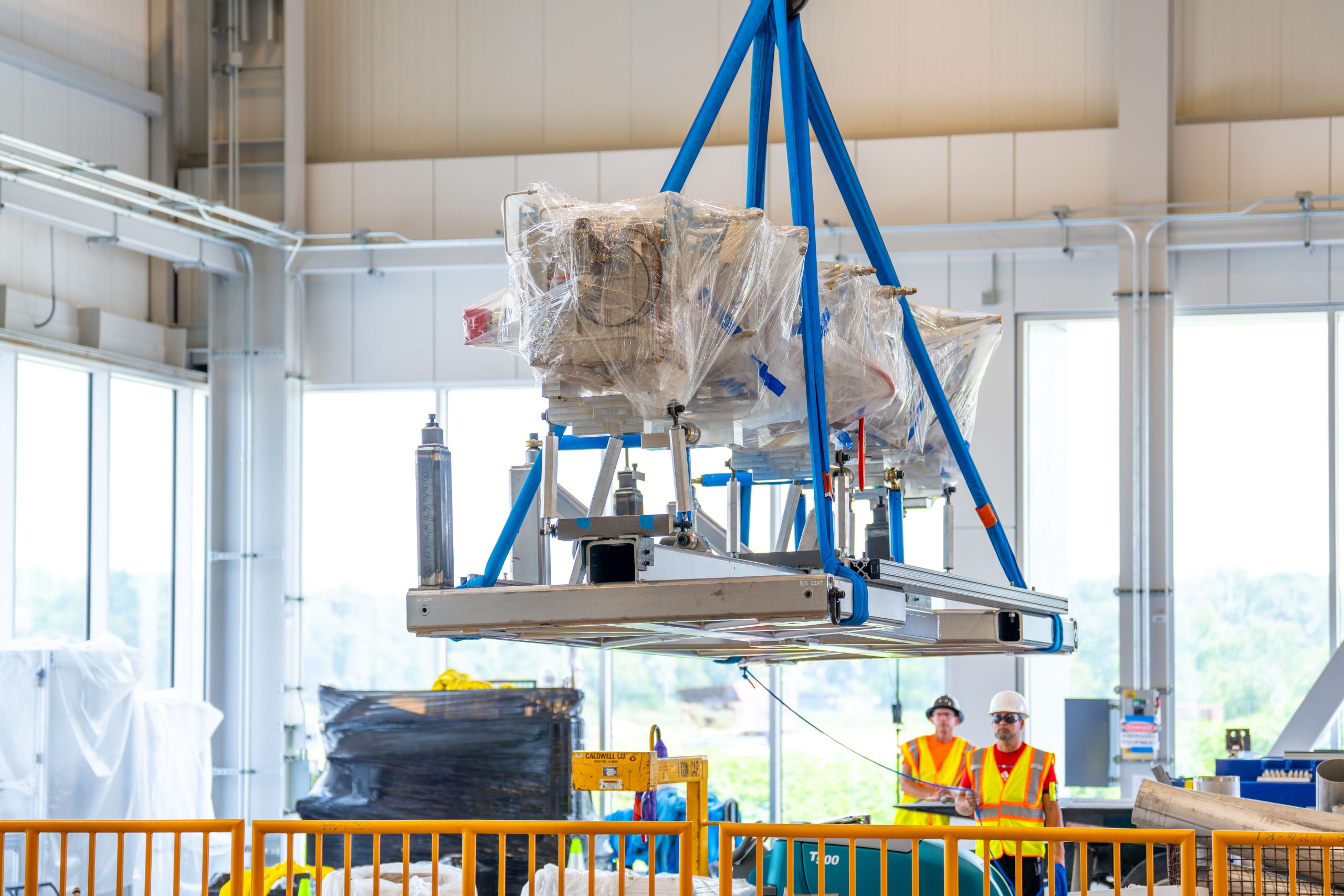
Fermilab successfully placed the first beamline component for the new PIP-II linear accelerator, marking a key milestone for the lab’s future neutrino research program.
Fermilab marks 70 years of neutrino science and leads next-generation experiment
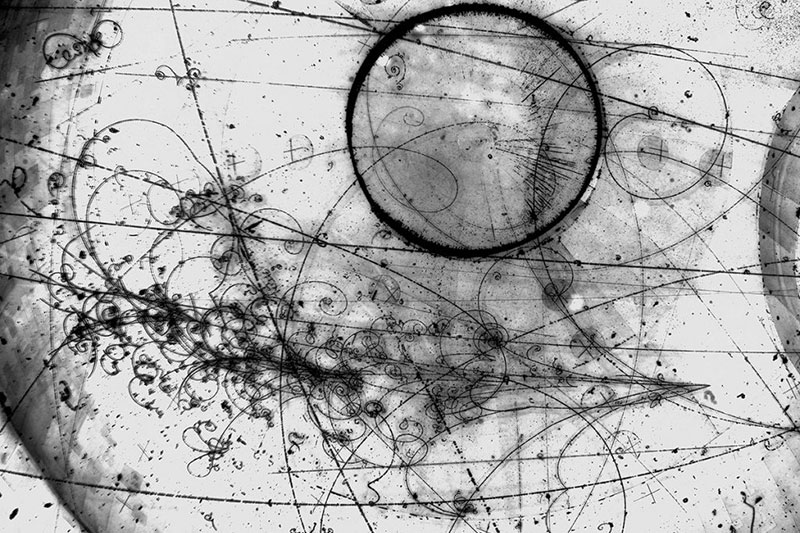
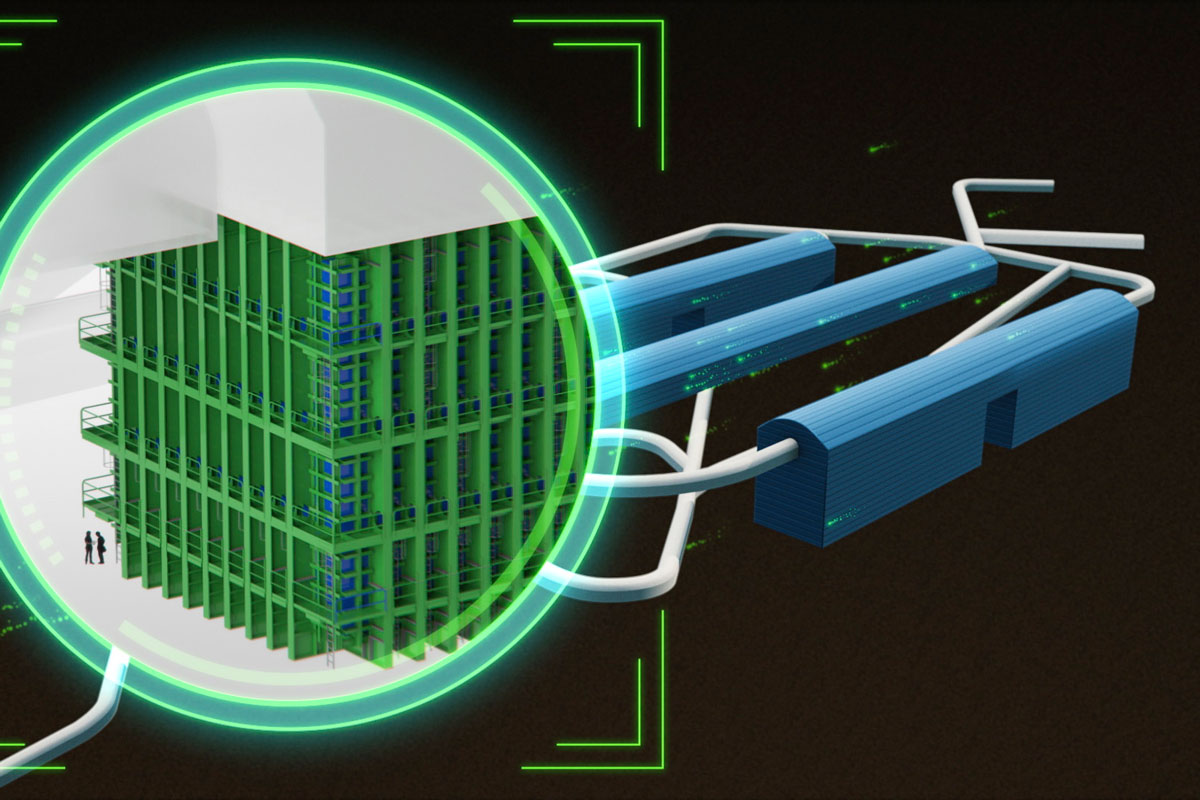
As Fermilab marks the 70th anniversary of the neutrino’s discovery, the lab is building the next era of neutrino science through the Deep Underground Neutrino Experiment.
Fermilab’s Vishvas Pandey elected to co-lead international neutrino research collaboration

As NuSTEC co-spokesperson, Pandey will advance precision for next-generation neutrino experiments, including the Deep Underground Neutrino Experiment hosted by Fermilab.
Linda Cremonesi elected as co-spokesperson for NOvA neutrino experiment

Physicist Linda Cremonesi has been elected co-spokesperson of the NOvA collaboration, helping lead one of the world’s premier experiments studying neutrinos and their properties.
A timeline of neutrino history and discovery
Neutrino: an idea is born
(Pauli)
The neutrino is named
(Fermi)
First neutrino detected
(Cowan, Reines)
Neutrino oscillations predicted
(Pontecorvo)
Neutrinos shown to be left‑handed at Brookhaven National Lab
Muon neutrino discovered at BNL (Lederman, Schwartz, Steinberger)
Solar neutrinos detected at Homestake Gold Mine (Davis)
CERN’s Gargamelle experiment observes weak neutral currents
Tau neutrino predicted
Supernova 1987A neutrinos detected (Kamiokande-II). Neutrino astronomy begun
Lederman, Schwartz and Steinberger awarded Nobel Prize for nu_mu discovery
Reines awarded Nobel Prize for nu_e discovery
Super-Kamiokande finds first nu_mu oscillation evidence, proving that neutrinos have mass
Tau neutrino discovered by the DONUT collab at Fermilab
Davis and Koshiba awarded Nobel Prize for detection of cosmic neutrinos
Geoneutrinos observed by KamLAND
IceCube neutrino reveals cosmic-ray origin
Long-Baseline Neutrino Facility breaks ground at Fermilab
First underground blasting begins for the international DUNE at LBNF
Neutrino shorts
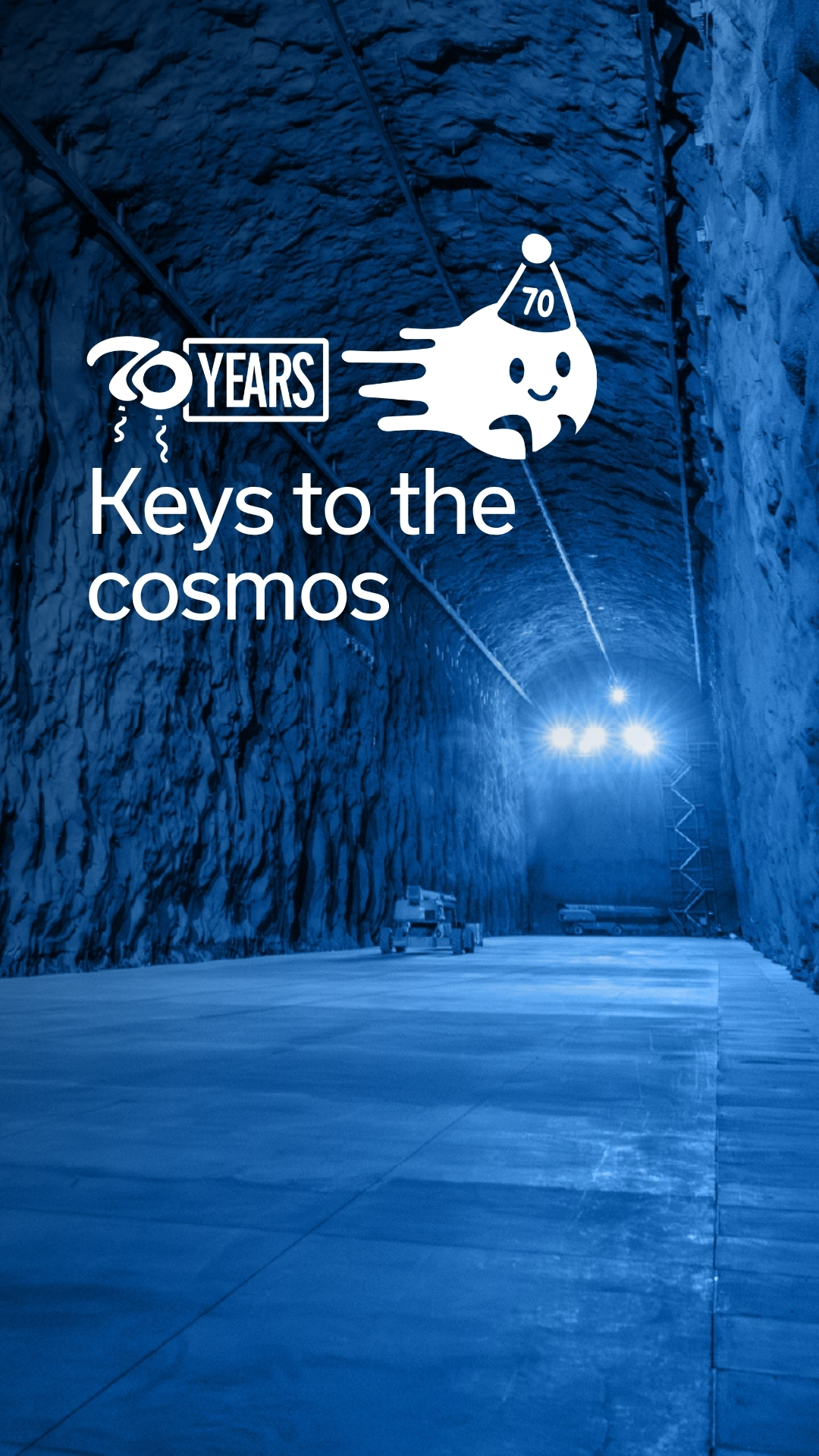
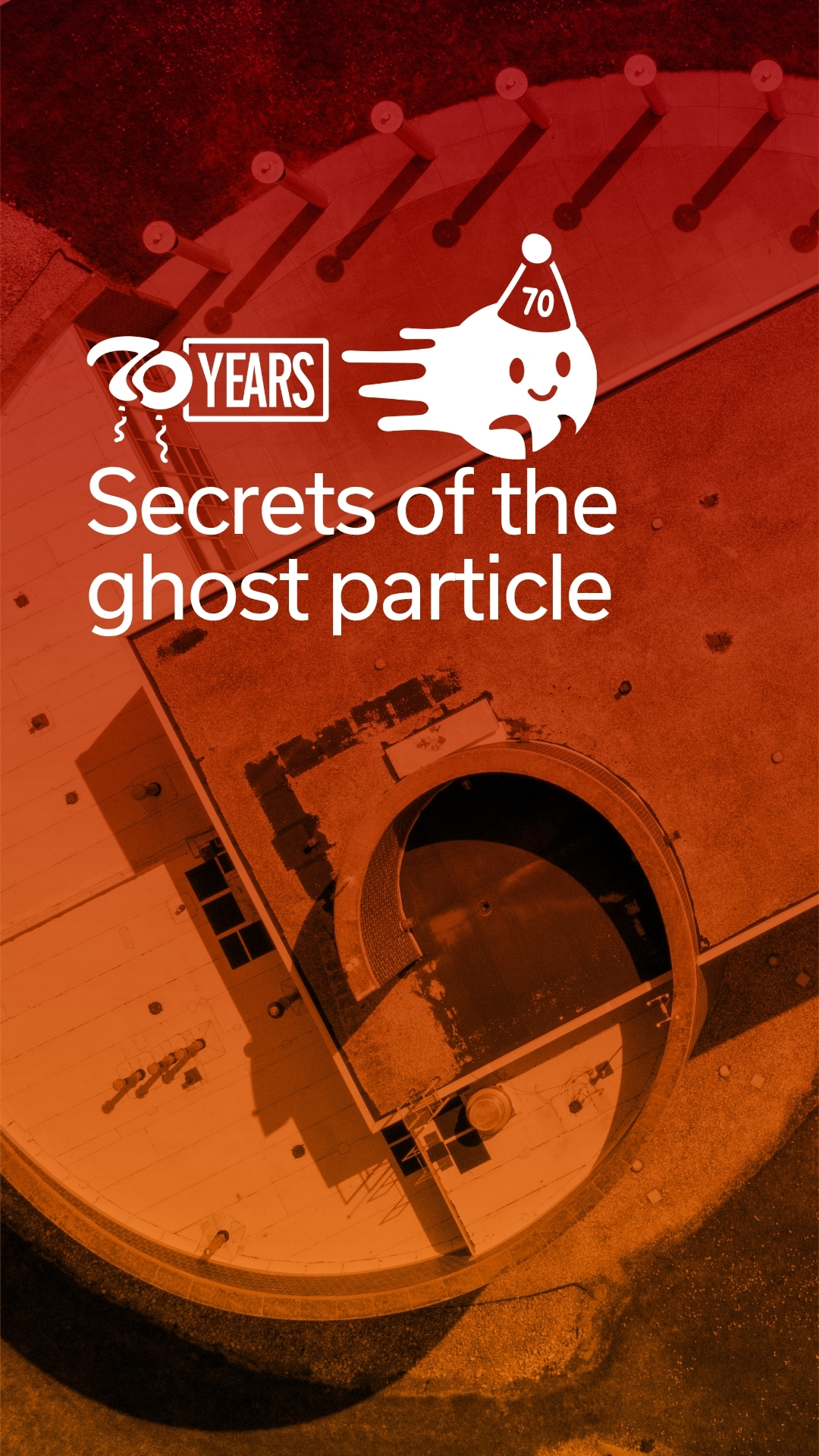
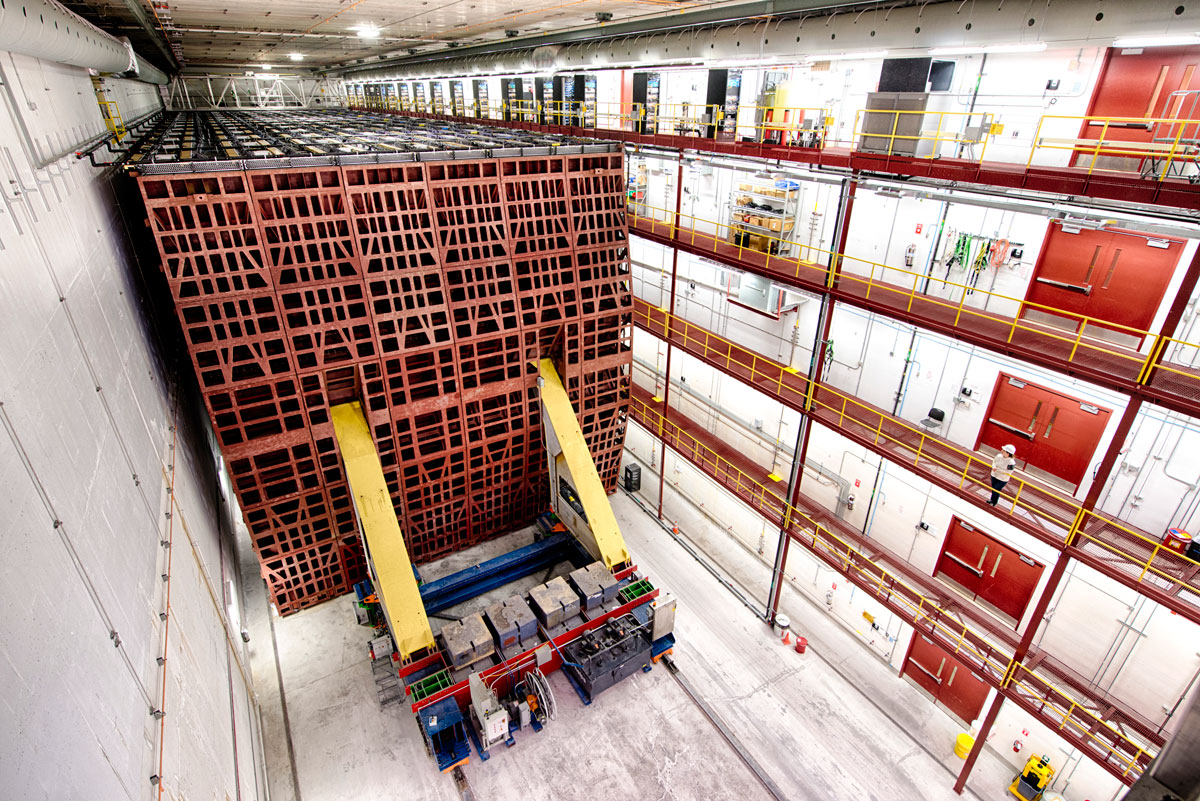
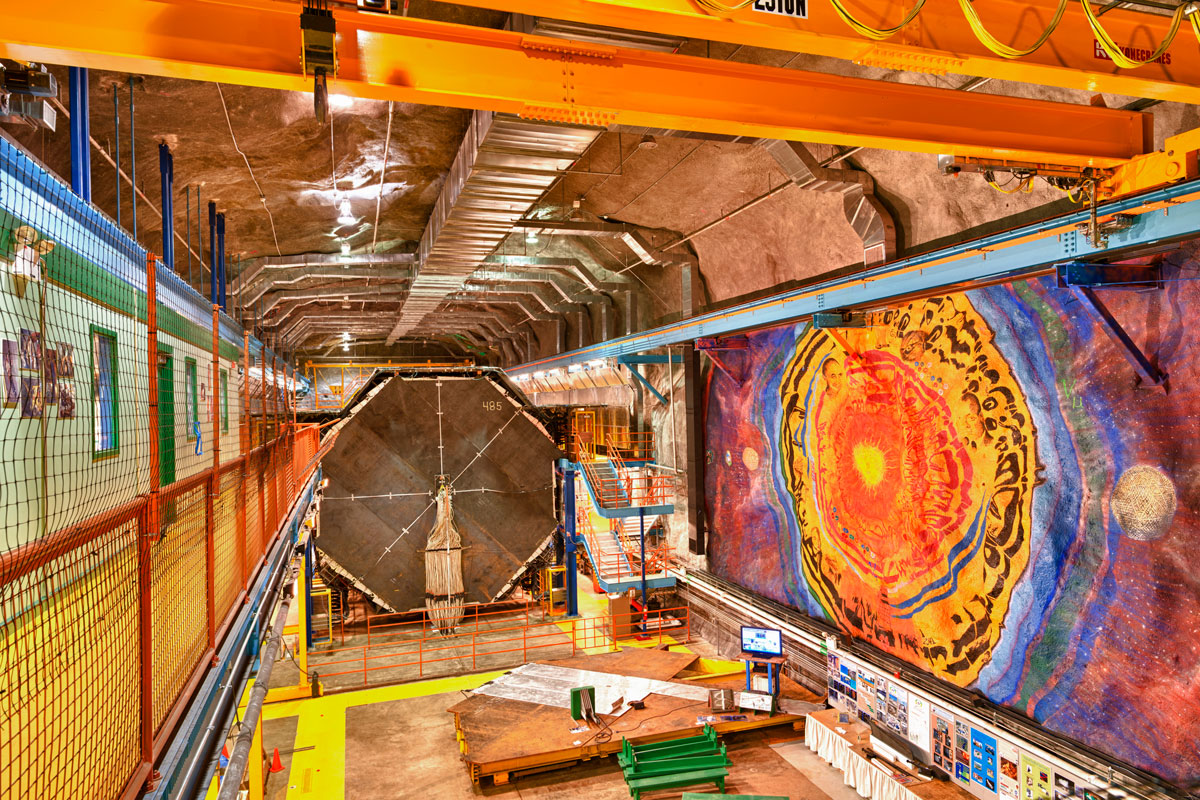
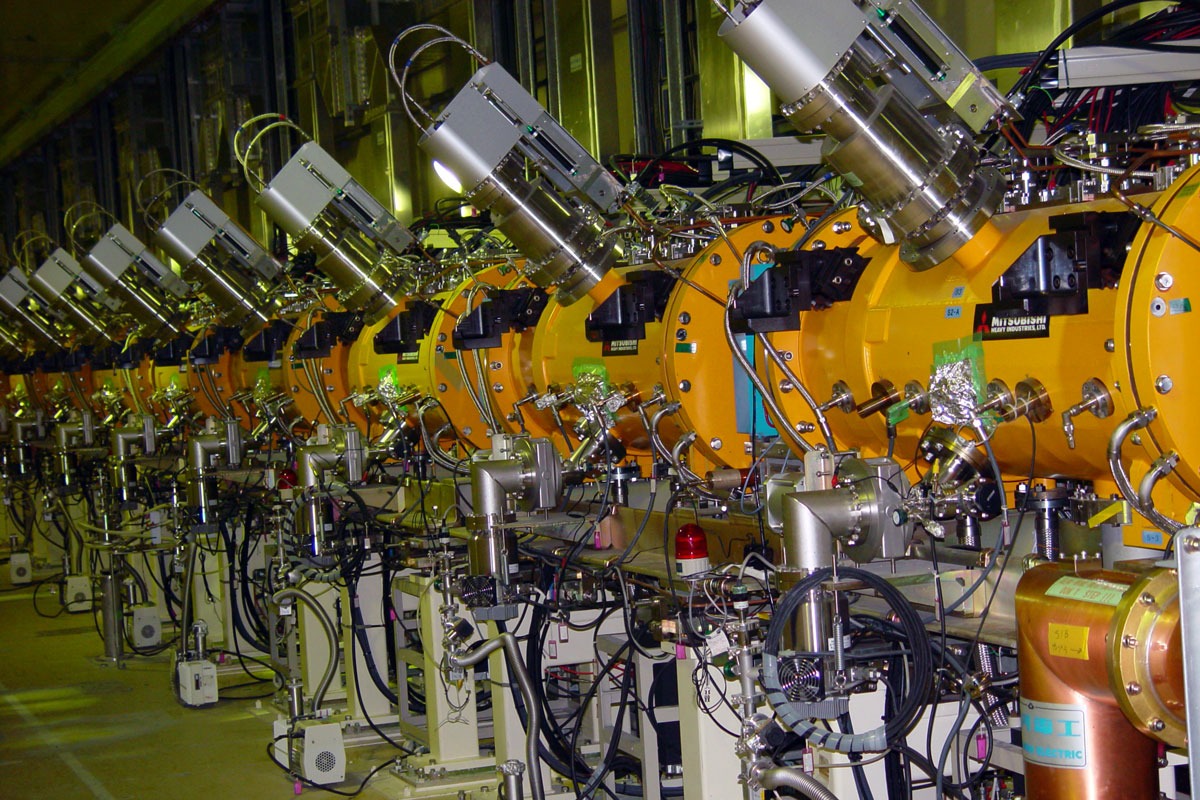
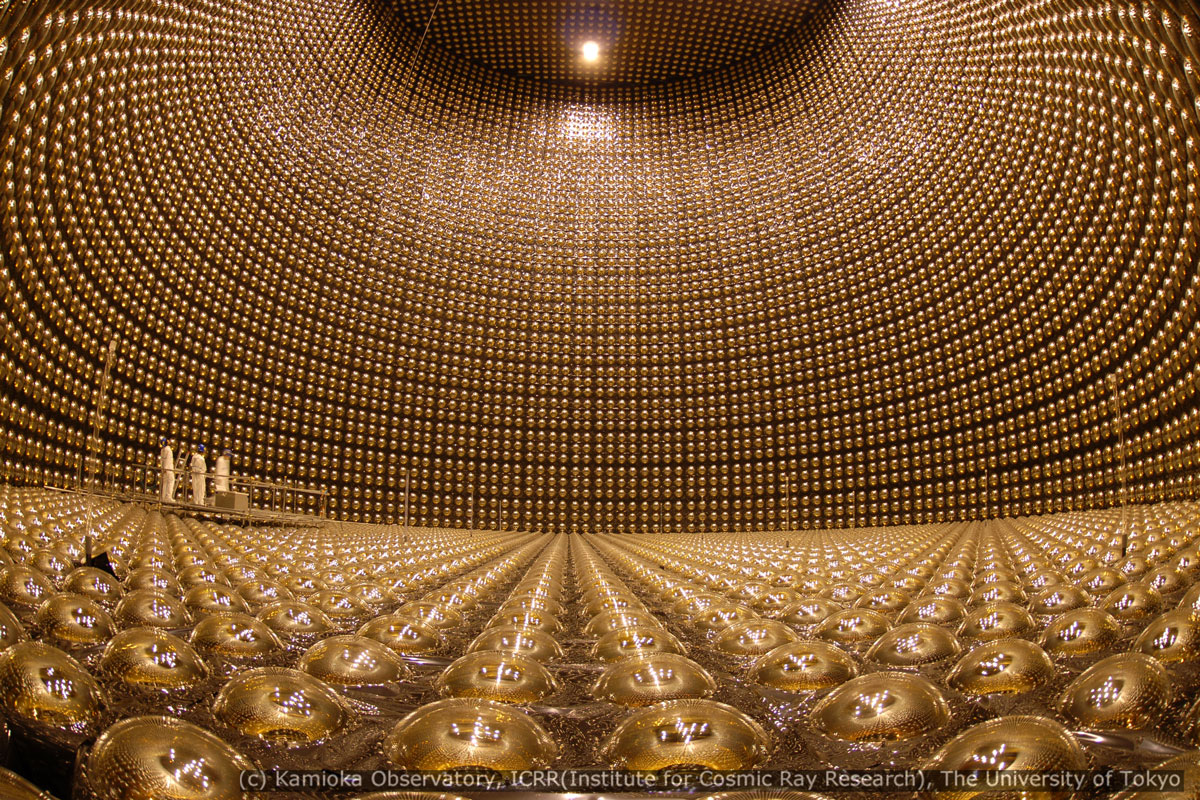
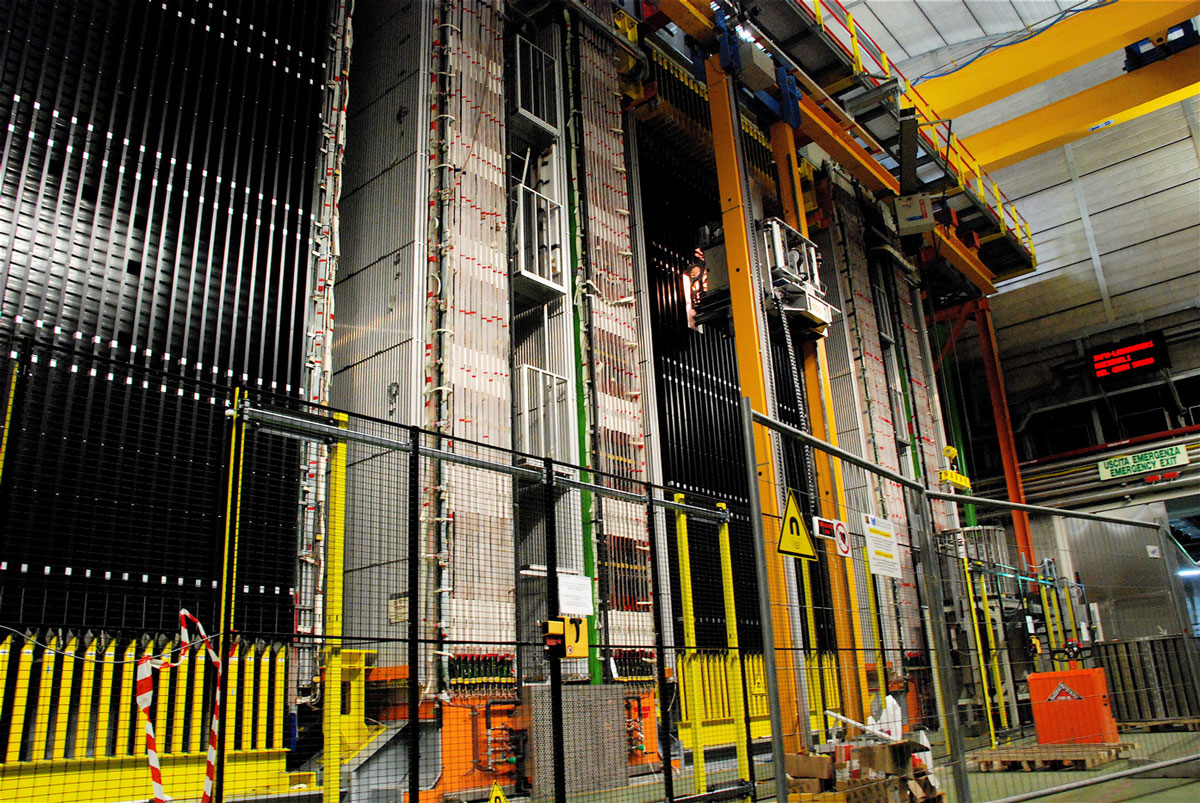
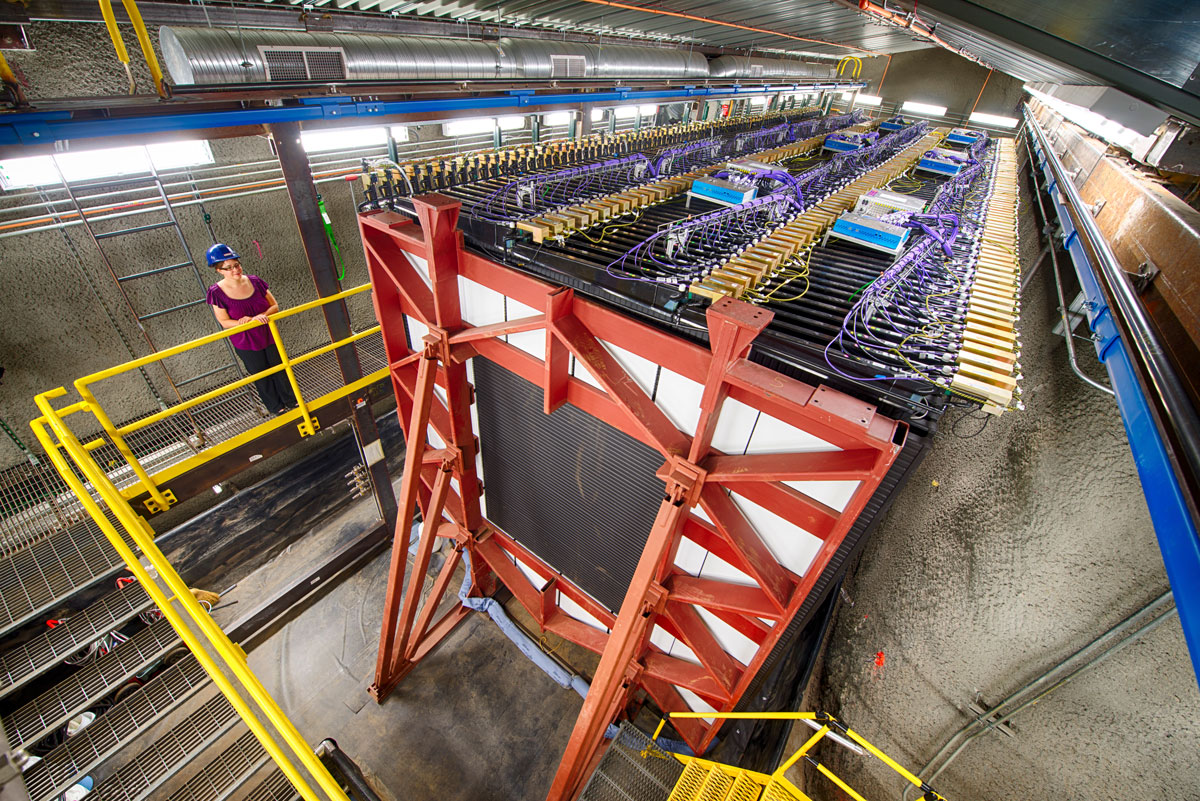
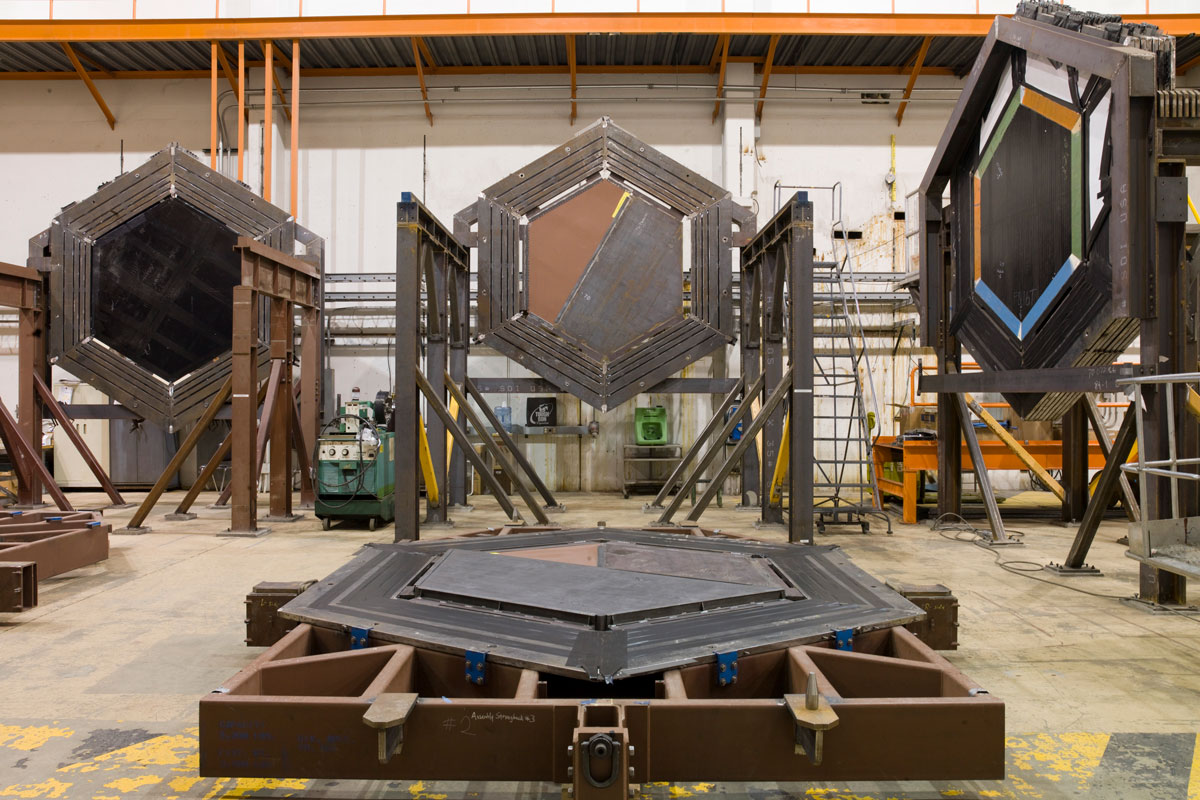
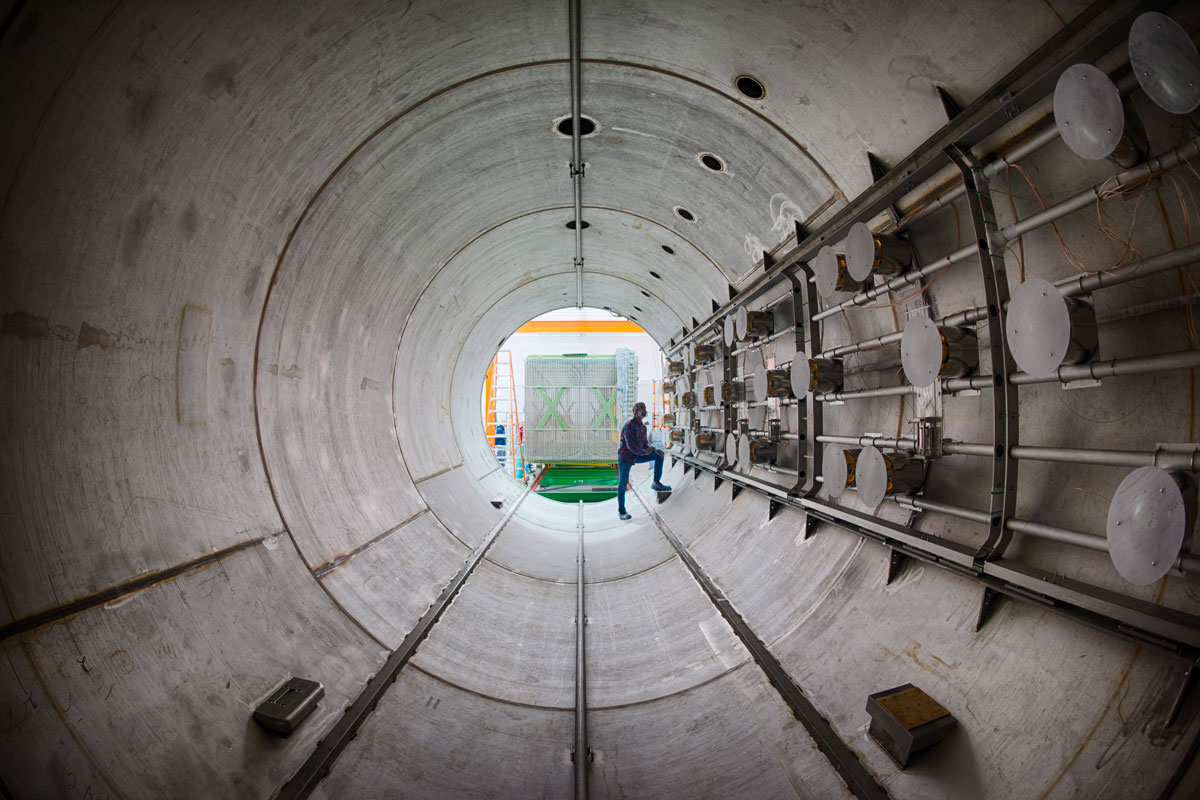
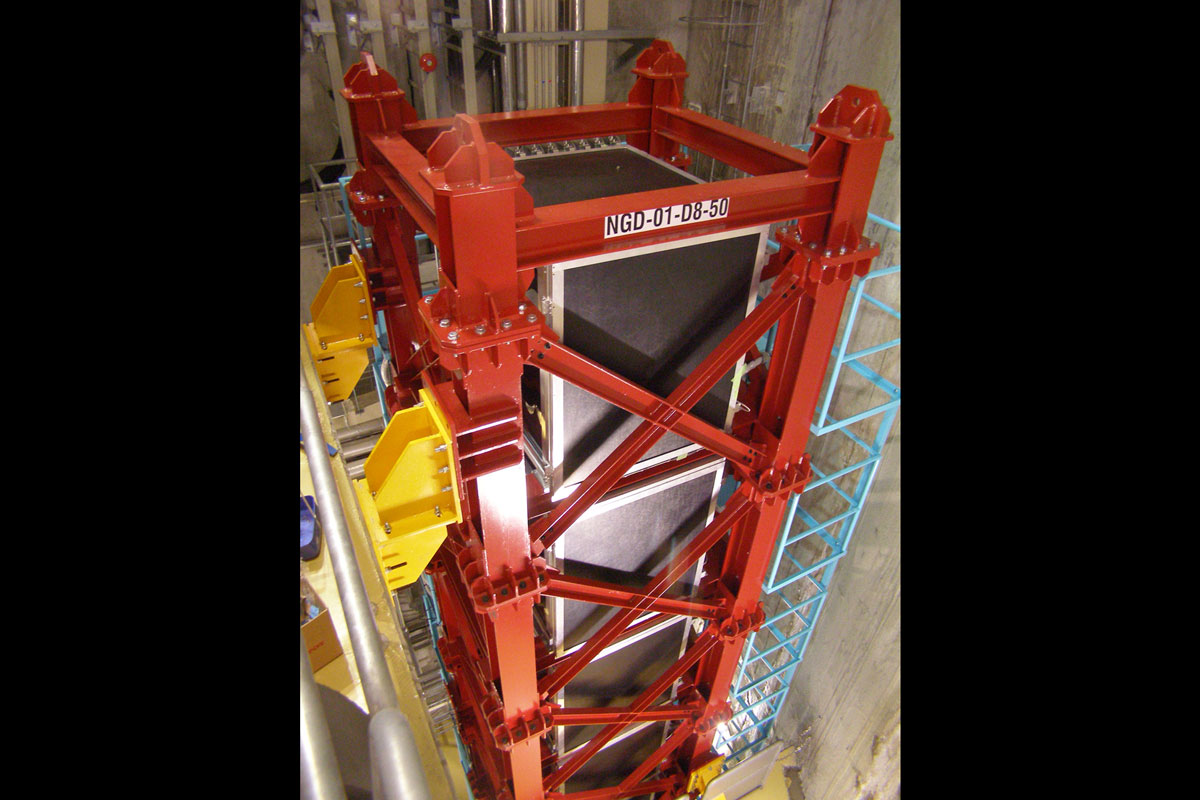
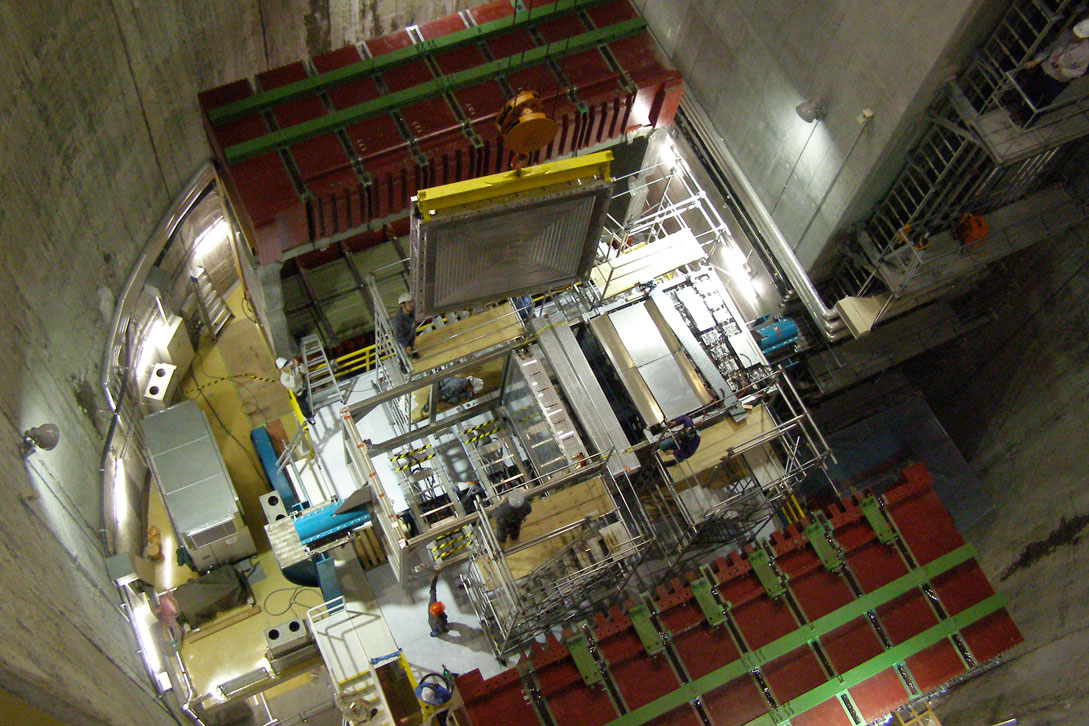
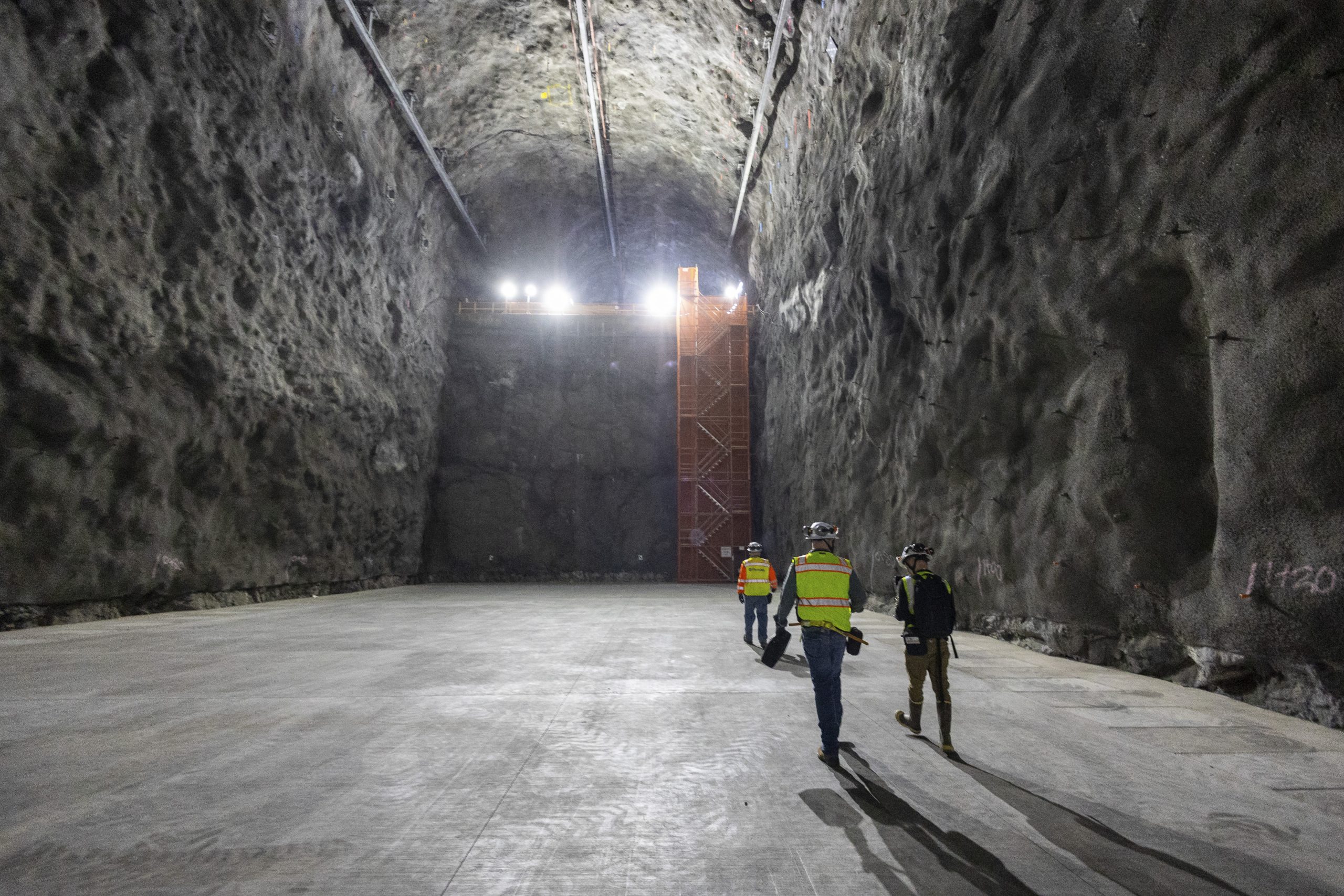
A journey in photos
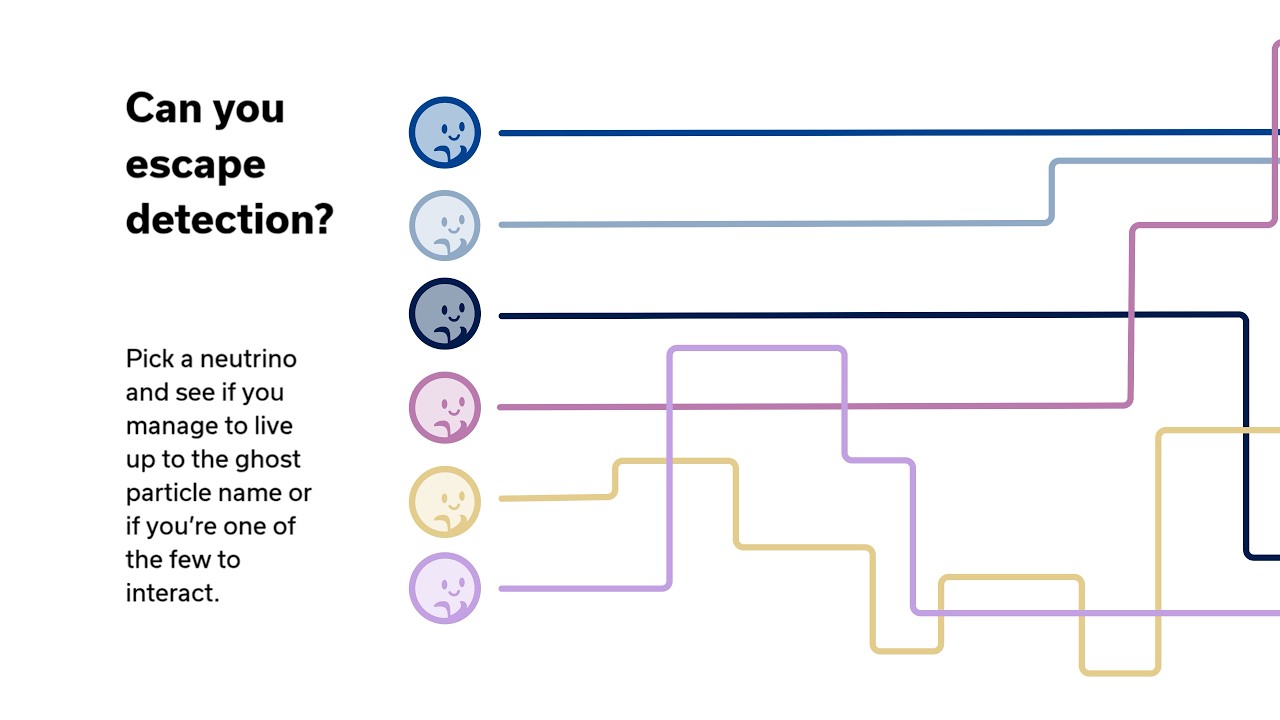
Can you escape detection?
Neutrinos are the ultimate escape artists of the cosmos. These tiny particles slip through matter almost effortlessly, making them nearly impossible to catch.
In our game, half the neutrinos get caught. In reality, the odds are far lower — neutrinos can easily pass through the atoms of massive objects without interacting. Can you beat the odds and remain undetected? Find out below!
Helpful resources to download
Check out the resources below to learn more about neutrinos. Share your coloring sheets on social media by tagging @Fermilab and including #Neutrino70.